

Dr. Dina Tarek

BREAST PROCEDURES

Gynecomastia

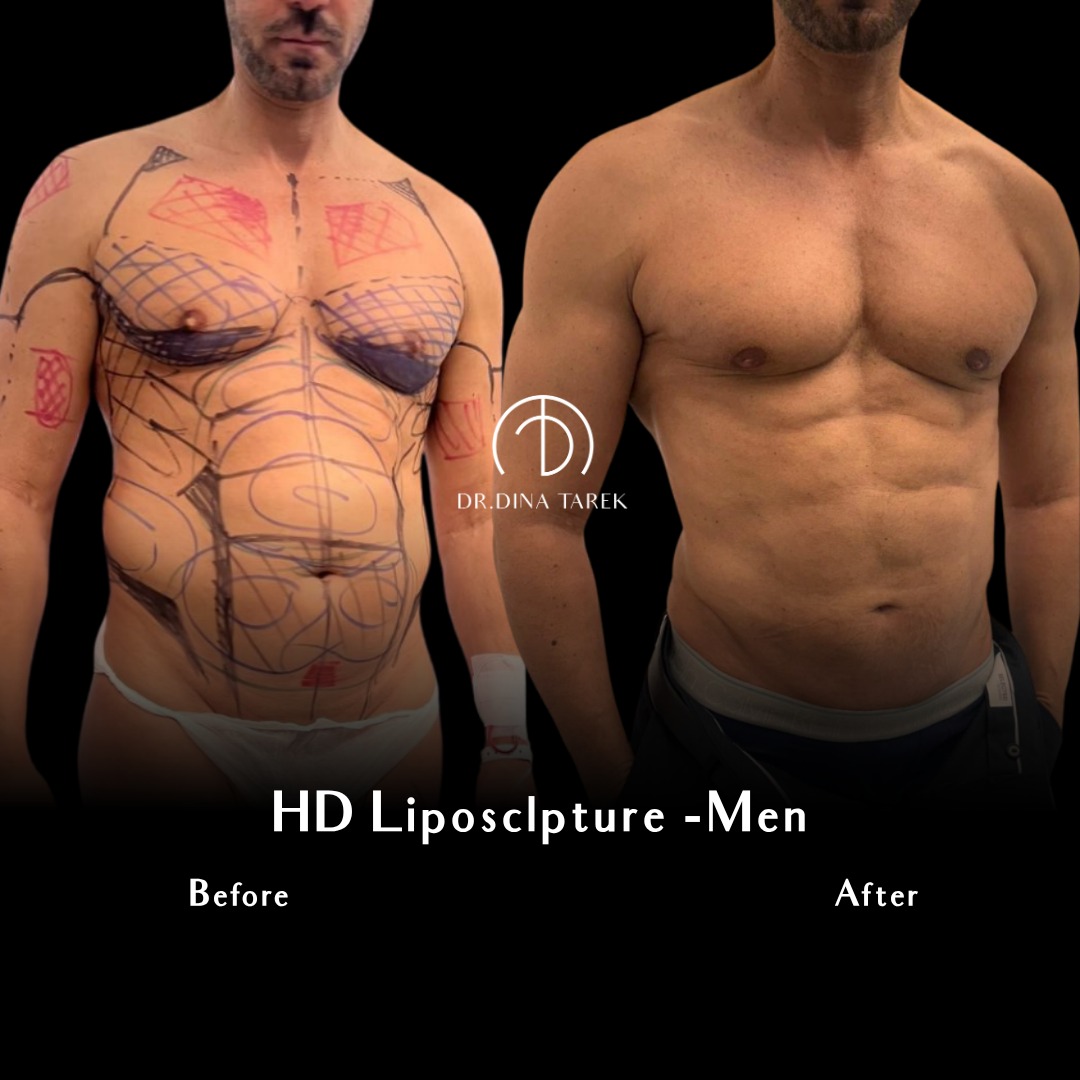
Male chest contouring for a flatter, firmer and more masculine chest.

Gynecomastia surgery is designed to reduce excess glandular tissue, fat, or both, depending on the individual case. The treatment is tailored to create a flatter, more defined chest contour while maintaining a natural appearance.


Dina Tarek 1 removebg preview

Surgeries 3 3

Gynecomastia, commonly known as enlarged male breasts, is a condition that can result from excess glandular breast tissue, localized fat, or a combination of both.

Treatment is individualized according to the underlying cause, the amount and distribution of tissue, skin quality and the degree of chest enlargement.

Depending on the case, treatment may involve VASER liposculpture, direct excision of glandular tissue, skin excision, or a combination of techniques.

The goal is to create a flatter, more masculine chest with smooth and natural contours.

The ideal approach is determined during consultation and depends on the type and severity of gynecomastia, skin quality, tissue composition and your desired outcome.

  • Persistent enlargement of the male chest
  • Excess glandular tissue, localized fat, or both
  • Good general health and realistic expectations
  • Stable body weight, particularly when excess fat contributes to chest fullness
  • Patients who are bothered by the appearance of their chest and seek a flatter, more defined contour

Important point:

If gynecomastia develops suddenly, is painful, is associated with a lump, nipple discharge or other unusual symptoms, medical evaluation should be performed before considering cosmetic surgery.

The surgical approach depends on whether the enlargement is primarily caused by excess fat, glandular tissue, excess skin, or a combination of these.

VASER liposculpture can be used to precisely remove excess fatty tissue and contour the chest.

When firm glandular tissue is present beneath the nipple-areola complex, direct surgical excision may be required.

In cases with significant skin excess, skin excision and tightening may also be necessary to achieve an appropriate chest contour.

Many patients benefit from a combination of techniques to address both tissue excess and overall chest definition.

Mild swelling, bruising and tightness are common during the early recovery period. A compression garment is usually recommended to support the chest while it heals.

Most patients can gradually return to light daily activities within a few days, while strenuous exercise and heavy lifting should be avoided until cleared by the surgeon.

The chest contour continues to refine as swelling subsides and the tissues settle. The timeline varies depending on the surgical technique used and the extent of treatment.

Post-Procedure Care

  • Wear the compression garment as instructed
  • Follow medication and wound-care instructions
  • Avoid heavy lifting and strenuous exercise during the initial recovery period
  • Maintain good hydration and nutrition
  • Attend scheduled follow-up appointments
  • Follow individualized instructions regarding scar care and massage, when applicable
BREAST PROCEDURES

Gynecomastia

Male chest contouring for a flatter, firmer and more masculine chest.

Gynecomastia surgery is designed to reduce excess glandular tissue, fat, or both, depending on the individual case. The treatment is tailored to create a flatter, more defined chest contour while maintaining a natural appearance.
Dina Tarek 1 removebg preview

Surgeries 3 3
Gynecomastia

About The Procedure

Gynecomastia, commonly known as enlarged male breasts, is a condition that can result from excess glandular breast tissue, localized fat, or a combination of both.

Treatment is individualized according to the underlying cause, the amount and distribution of tissue, skin quality and the degree of chest enlargement.

Depending on the case, treatment may involve VASER liposculpture, direct excision of glandular tissue, skin excision, or a combination of techniques.

The goal is to create a flatter, more masculine chest with smooth and natural contours.

Gynecomastia

Who Is a Good Candidate for Gynecomastia Surgery?

The ideal approach is determined during consultation and depends on the type and severity of gynecomastia, skin quality, tissue composition and your desired outcome.

  • Persistent enlargement of the male chest
  • Excess glandular tissue, localized fat, or both
  • Good general health and realistic expectations
  • Stable body weight, particularly when excess fat contributes to chest fullness
  • Patients who are bothered by the appearance of their chest and seek a flatter, more defined contour

Important point:

If gynecomastia develops suddenly, is painful, is associated with a lump, nipple discharge or other unusual symptoms, medical evaluation should be performed before considering cosmetic surgery.

Gynecomastia

How Is Gynecomastia Treated?

The surgical approach depends on whether the enlargement is primarily caused by excess fat, glandular tissue, excess skin, or a combination of these.

VASER liposculpture can be used to precisely remove excess fatty tissue and contour the chest.

When firm glandular tissue is present beneath the nipple-areola complex, direct surgical excision may be required.

In cases with significant skin excess, skin excision and tightening may also be necessary to achieve an appropriate chest contour.

Many patients benefit from a combination of techniques to address both tissue excess and overall chest definition.

Gynecomastia

Recovery & Results: What to Expect

Mild swelling, bruising and tightness are common during the early recovery period. A compression garment is usually recommended to support the chest while it heals.

Most patients can gradually return to light daily activities within a few days, while strenuous exercise and heavy lifting should be avoided until cleared by the surgeon.

The chest contour continues to refine as swelling subsides and the tissues settle. The timeline varies depending on the surgical technique used and the extent of treatment.

Post-Procedure Care

  • Wear the compression garment as instructed
  • Follow medication and wound-care instructions
  • Avoid heavy lifting and strenuous exercise during the initial recovery period
  • Maintain good hydration and nutrition
  • Attend scheduled follow-up appointments
  • Follow individualized instructions regarding scar care and massage, when applicable
Gynecomastia

Before & After

gynecomastia

2021© All rights reserved by Dr.Dina Tarek

Scroll to Top